

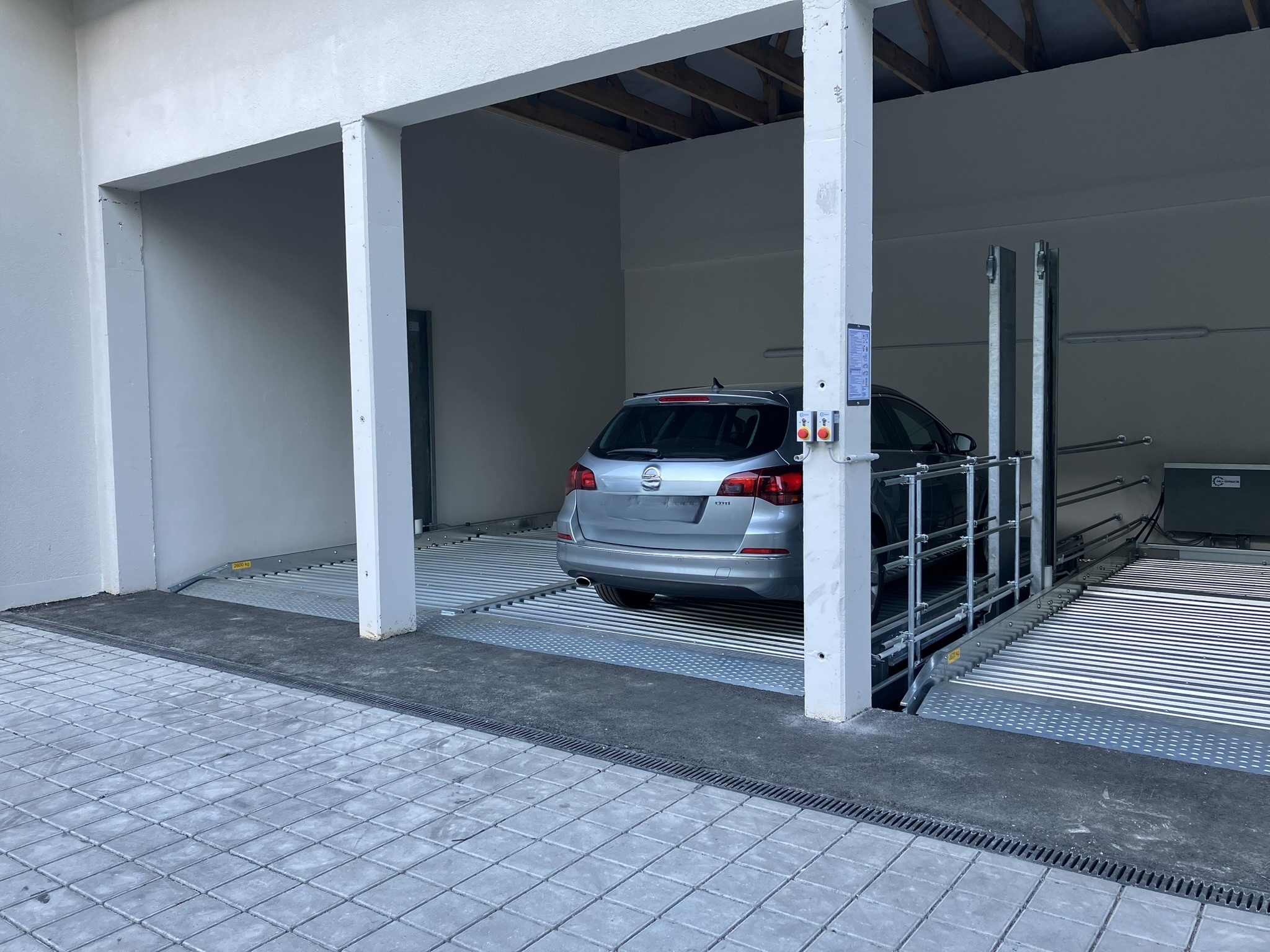
When a residential apartment building is handed over to a body corporate, the car stackers in the basement often come with very little documentation and even less instruction. The developer has moved on, the original installer may no longer be contactable, and the building manager inherits a mechanical system they’ve had no involvement in specifying.
This is one of the most common situations Vertimax encounters when called in to service car stackers in existing residential buildings. And it’s a situation that’s entirely avoidable with the right approach from the outset.
What body corporates are responsible for
Car stackers are classified as mechanical plant, and like all mechanical plant in a strata building, they fall under the body corporate’s obligation to maintain common property in good repair. This includes scheduled servicing, reactive repairs, and keeping records of maintenance history.
What makes car stackers more demanding than most common property assets is their exposure to conditions that accelerate wear. Basement environments are damp, subject to temperature swings, and in coastal areas, corrosive. Hydraulic systems, electrical controls, and structural components all degrade faster in these conditions without regular attention.
A car stacker that goes two or three years without proper servicing doesn’t just become unreliable. It becomes a liability. If a platform fails while a vehicle is elevated, the damage to the car and potentially to surrounding property can be significant. And if the service history shows gaps, the body corporate’s position in any insurance or legal dispute becomes considerably weaker.
The hidden cost of cheap systems
Not all car stackers installed in Australian residential buildings are built to the same standard. Lower cost systems, often sourced to meet a project budget, frequently present problems within the first few years. Hydraulic seals that weep, platforms that drift out of alignment, control panels that become temperamental in humidity, these aren’t unusual complaints on cheaper systems.
The issue for a body corporate is that they inherit these problems regardless of whether they had any say in the original specification. The developer made the purchasing decision; the asset owners and the body corporate pay for the consequences through ongoing repair costs and owner frustration.
Vertimax supplies car stackers through an exclusive arrangement with Nu Space, a German manufacturer whose systems are built to European industrial tolerances. For an asset that lives in a damp basement and is expected to cycle reliably for two or three decades, that level of engineering quality makes a measurable difference to long-term running costs.
What good ongoing management looks like
Body corporates managing buildings with car stackers should have a service agreement in place that covers at minimum: scheduled inspections twice per year, preventive maintenance on hydraulic and electrical components, and a defined response time for breakdown callouts.
Equally important is ensuring residents know how to operate the system correctly. Misuse can cause risk causing damage, and it’s preventable with a proper handover and clear operating instructions for each bay holder.
If your building’s car stackers are out of service contract, overdue for inspection, or you’re dealing with recurring faults, Vertimax can assess the system and put a maintenance plan in place.
Sorry, the comment form is closed at this time.