

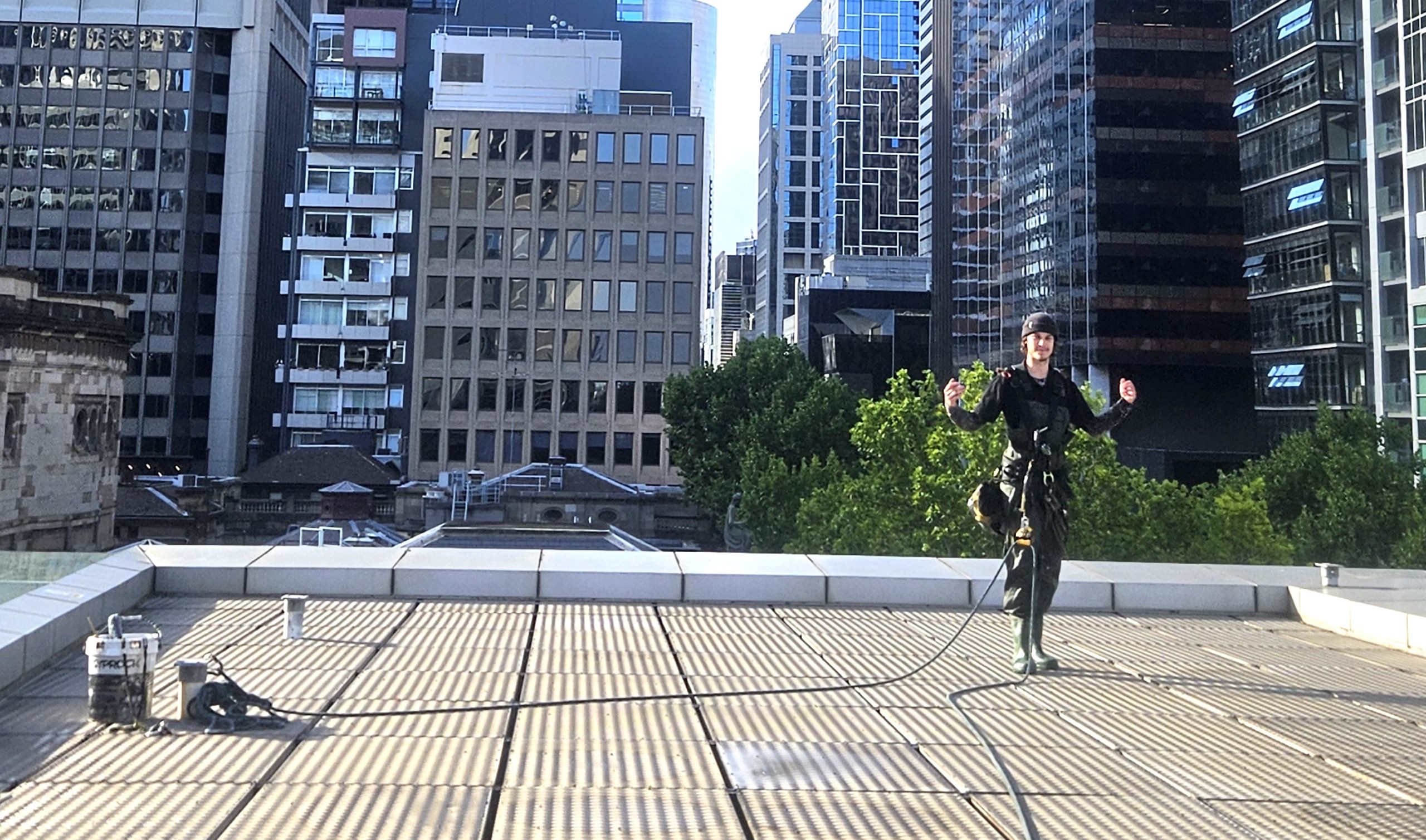
When it comes to working at height, the margin for error is zero. Australian workplace health and safety law is clear: building owners and facility managers are responsible for ensuring height safety equipment is maintained, inspected, and certified to the required standard. Yet inspection compliance remains one of the most commonly overlooked obligations we encounter when assessing sites.
What the Standard Requires
AS/NZS 1891.4:2009 sets the minimum inspection intervals for all fall arrest and height safety equipment used on Australian work sites. The requirements differ depending on whether you are dealing with personal protective equipment or fixed systems.
Personal Protective Equipment: Harnesses and Lanyards
Harnesses, lanyards, and all connecting devices must be inspected by a competent person at least every six months. In addition to scheduled inspections, each item must also be checked before and after every use. Any equipment showing signs of wear, damage, or deterioration must be withdrawn from service immediately and not used again until it has been assessed and cleared by a qualified inspector.
Fixed Systems: Anchor Points, Static Lines, Abseil Points
Fixed height safety infrastructure requires formal inspection and certification by a qualified inspector at minimum every 12 months. This applies to all anchor points, static lines, and abseil points. These are the fixed components workers connect their PPE to when accessing height, and their integrity is critical. Age, corrosion, and environmental exposure affect performance in ways that are not always visible without a formal assessment.
What a Compliant Inspection Covers
A thorough height safety inspection addresses the following:
- Visual inspection of all anchor points and fixings
- Checking for corrosion, wear, or damage to components
- Verifying that load ratings and certification labels are intact
- Inspecting static lines, lanyards, and connecting devices
- Testing and certifying all harnesses and shock absorbers
- Reviewing and updating compliance documentation
- Confirming all systems meet AS/NZS 1891 and AS/NZS 4488 standards
Why It Matters Beyond the Regulatory Requirement
Falls remain one of the most serious causes of workplace injury and fatality in Australia. Beyond the human cost, non-compliant height safety systems expose building owners to significant legal and financial liability. If an incident occurs and inspections are found to be overdue, the consequences extend well beyond the site.
Regular inspection also identifies problems early, before they become failures. Corrosion on an anchor point, wear on a static line, or a damaged harness buckle are all manageable issues when caught at inspection. They are significantly less manageable after a worker has relied on that equipment.
How Vertimax Can Help
Vertimax’s qualified access team installs, tests, and inspects fall arrest and height safety systems to Australian Standards. As an approved installer of Sayfa Systems, we also service all major brands currently in the market.
If you are unsure of your last inspection date, need to establish a compliance schedule, or want a comprehensive review of your current height safety setup, contact us. We will assess what is in place, identify any gaps against the current standard, and provide clear documentation of the outcome.
Sorry, the comment form is closed at this time.